
Category: Mantras

  • Mahamrityunjaya Mantra: Meaning and Significance

    Mahamrityunjaya Mantra: Meaning and Significance

    The Mahamrityunjaya mantra is a Shiva-related mantra from the Vedas.

    The mantra starts: Om Tryambakam Yajamahe — and we find that version of the mantra in both the Rig and the Yajur Veda.

    The mantra addresses Tryambaka, meaning “one with the three eyes.”

    The Sanskrit Mantra

    A commonly recited form is:

    ॐ त्र्यम्बकं यजामहे
    सुगन्धिं पुष्टिवर्धनम् ।
    उर्वारुकमिव बन्धनान्
    मृत्योर्मुक्षीय मामृतात् ॥

    The exact transliteration and pronunciation can vary slightly between traditions. Listen Now

    What Does It Mean?

    A broad translation suggests a prayer to the three-eyed Shiva to be delivered from the bondage of death, to be set free, and to be united with immortality.

    The mantra uses the image of a fruit that has ripened, falling free from its vine. It is poetic and symbolic, and rich spiritual meaning is assigned to different levels of the mantra by different commentators.

    Why Is It Called Mahamrityunjaya?

    This title suggests that this is the primary mantra for overcoming death.

    It is important to understand this within its spiritual context: the mantra is a prayer for courage, surrender and freedom that devotees pray for, not a claim of literal escape from mortality.

    At What Times Is the Mantra Recited?

    The mantra may be recited in the morning, during Shiva worship, meditation, Rudrabhishek, Shravan, and Mahashivratri.

    A Quiet Way to Listen

    Recitation of the mantra may be done at a slow pace. Sit and listen, and read the Sanskrit version to understand the words.

    It is beneficial to remain quiet for some time afterward. The silence after a mantra can be as meaningful as the mantra itself.
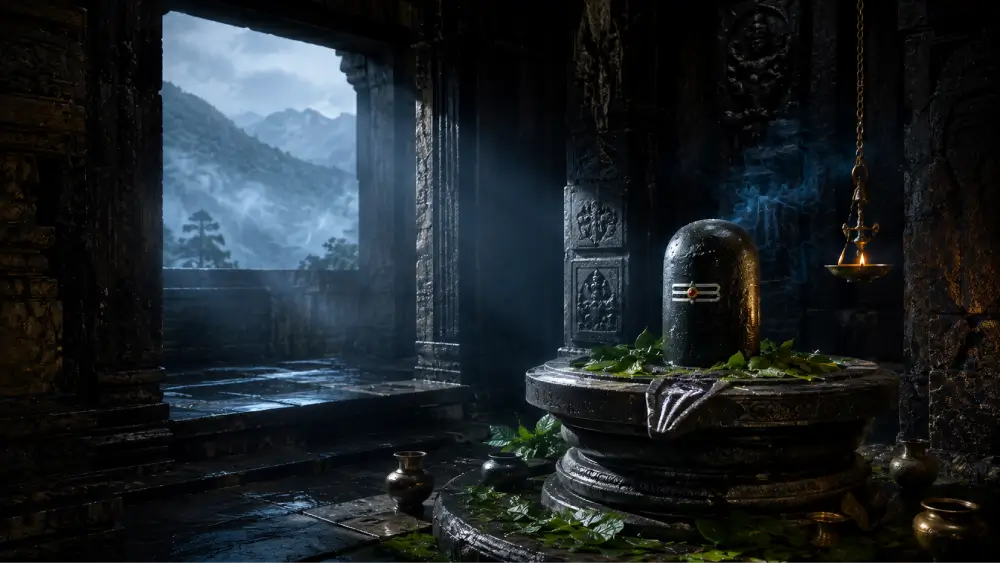
    Listen Now

  • Om Namah Shivaya: Meaning, Significance and Importance

    Om Namah Shivaya: Meaning, Significance and Importance

    Om Namah Shivaya is one of Lord Shiva’s most popular mantras.

    This phrase is often understood as a prayer to, and worship of, Lord Shiva.

    The Panchakshara mantra, Namah Shivaya, has five syllables: Na, Ma, Shi, Va and Ya. The addition of Om completes the mantra as Om Namah Shivaya.

    Why Do People Chant It?

    Many devotees view chanting as a way to remember Shiva.

    This mantra is also straightforward enough to be whispered spontaneously during the day or said during prayer.

    No preparation is required. The act of repetition is, in itself, concentration.

    The Five Syllables

    The five syllables of Namah Shivaya are used to provide separate meanings in various Shaiva traditions. They are:

    • Na
    • Ma
    • Shi
    • Va
    • Ya

    You will find different explanations connecting these syllables with elements, spiritual principles and aspects of Shiva. These interpretations can vary, so it is better to treat them as part of a rich tradition rather than as one universally agreed explanation.

    How to Chant Om Namah Shivaya

    There is no need to overcomplicate it.

    • Find a comfortable position.
    • Slowly, take a breath.
    • Repeat: Om Namah Shivaya.
    • Slowly repeat.

    Why Simplicity Matters

    One of the reasons this mantra has been easily accessible is its simplicity.

    There is no need for special rituals to remember Shiva. Many times, only five quiet minutes are needed.

    At My Shivālay, you can also listen to Shiva mantras and have peace of mind during your daily routine.

    Go to Listen Now